Quick answer
Most NYC residents assume ants are a sign of a dirty home — but that's wrong. Ants enter buildings through cracks in foundations, gaps around pipes, and worn door seals regardless of how spotless an apartment is. In dense urban environments like New York City, the real driver is structural vulnerability and colony pressure from outside, not crumbs on a counter.
The Counterintuitive Truth About Ants in NYC Apartments
Here is what most New Yorkers get wrong: ants are not a housekeeping problem. They are a structural and colony-pressure problem. A freshly mopped kitchen floor does almost nothing to stop a pavement ant colony that has been living under your building’s slab for years. When professional pest control companies respond to the volume of ant calls they receive across New York City each season, the infestations they find in immaculate apartments are just as common as those in neglected ones. Cleanliness is a partial deterrent at best — it is not a prevention strategy.
Understanding why changes everything about how you respond.
Why Ants Enter NYC Buildings in the First Place
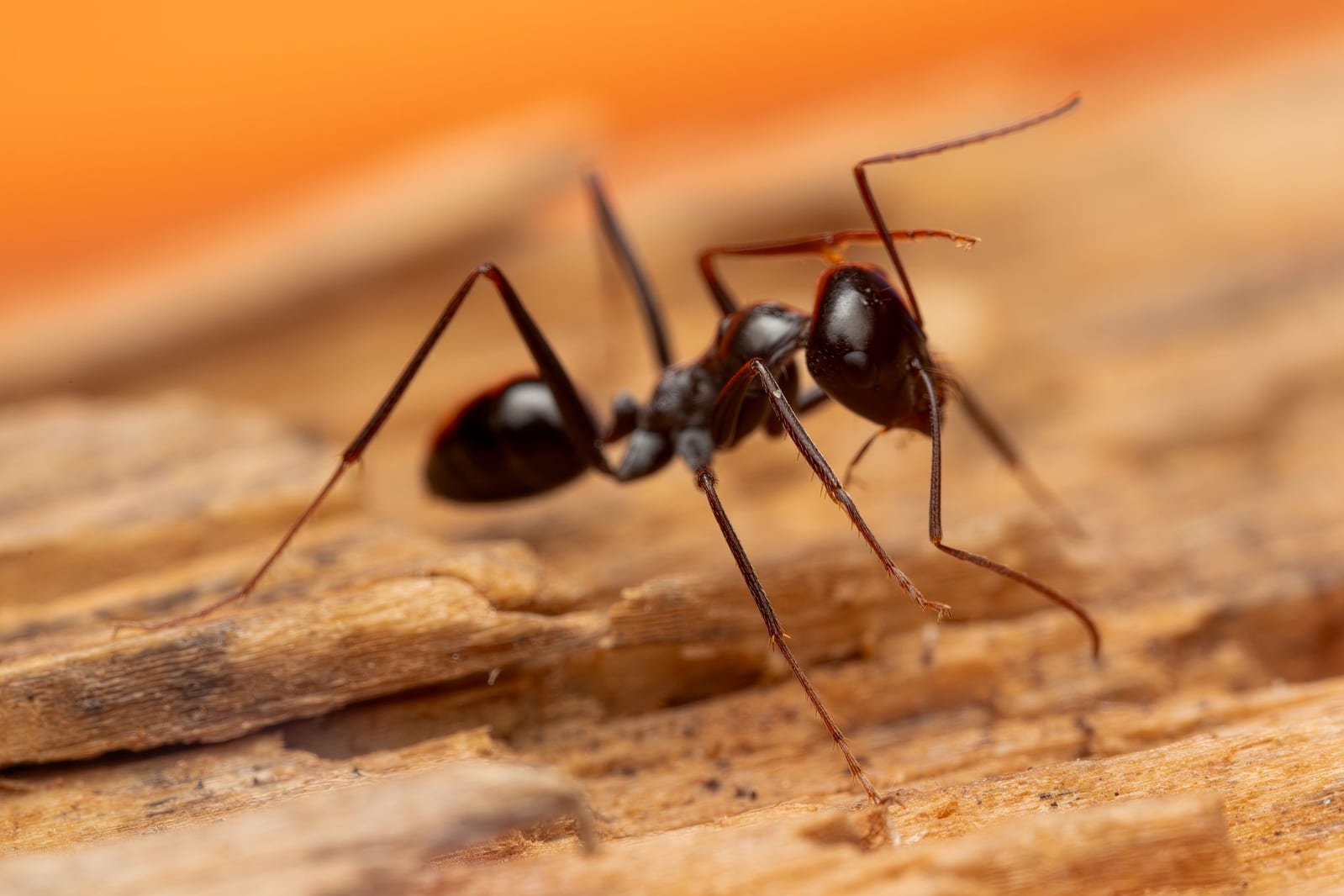
New York City’s built environment is uniquely hospitable to ants. Dense urban infrastructure — concrete sidewalks, aging building foundations, an intricate underground network of utility lines — creates ideal nesting habitat for species like pavement ants and carpenter ants. These colonies are often enormous, numbering in the tens of thousands, and they send forager workers hundreds of feet from the nest in search of food and moisture.
The entry points they exploit are almost always structural:
- Gaps around water and gas pipes entering through foundation walls or floors
- Worn weatherstripping on ground-floor doors and basement entries
- Cracks in brick mortar or concrete foundations, common in pre-war NYC buildings
- Expansion joints between building sections
- Electrical conduit penetrations through shared walls
None of these are addressed by wiping down counters.
The DIY Mistake That Makes Infestations Worse
When homeowners and renters spot ant trails, the instinct is to reach for a can of spray. This is one of the most counterproductive things you can do with certain ant species.
Many common ant species respond to repellent insecticide sprays through a survival mechanism called budding. When worker ants detect a chemical threat, they signal the colony to fragment. The queen — or multiple queens — move to new locations, effectively turning one infestation into several. Residents who spray a trail in the kitchen may find new activity appearing in bathrooms, bedrooms, or neighboring units within days.
This is why licensed pest management professionals use a fundamentally different approach: non-repellent baits and slow-acting transfer insecticides. Worker ants pick up the active ingredient without detecting it, carry it back to the colony, and share it through normal feeding behavior. The goal is always to reach and eliminate the queen. Without that, the colony persists.
The Multifamily Building Problem
For the majority of New Yorkers living in co-ops, condos, and rental apartments, ant control is not just a unit-level issue — it is a building-level issue. Ant colonies move freely through:
- Shared wall voids
- Plumbing and radiator pipe chases
- Common area flooring and baseboards
- Gaps around elevator shafts and stairwells
Treating a single apartment without a coordinated building inspection is the equivalent of bailing out one section of a leaking boat. The colony relocates, pressure rebuilds, and the problem returns — usually in a new unit, which then creates neighbor disputes and management headaches.
Building-wide professional assessment is the recognized best practice for persistent ant activity in NYC multifamily properties.
What Professional Ant Control Actually Involves
A professional ant treatment program for NYC properties generally includes:
- Species identification — different species require different treatment strategies
- Colony location assessment — tracing trails to probable nest sites inside or outside the building
- Targeted bait placement in areas of high forager activity
- Non-repellent perimeter treatment at structural entry points
- Exclusion recommendations — sealing gaps around pipes, repairing mortar, replacing weatherstripping
- Follow-up inspection to confirm colony collapse
Skipping species identification is a common reason DIY treatments fail. The bait that works effectively on odorous house ants is not the same formulation that performs well against carpenter ants or pharaoh ants.
When to Call a Professional
Call a licensed NYC pest control professional if:
- You see ant activity inside your unit for more than a few days
- You find large black ants (potential carpenter ants) near wood structures, window frames, or roof areas
- You have already tried store-bought sprays or bait stations without lasting results
- Multiple units in your building are reporting ant activity
- You see winged ants (swarmers), which indicate a mature colony is reproducing
Winged ants are frequently mistaken for termites. A professional can distinguish them on inspection — the identification matters because the treatment protocols are entirely different.
Mike, owner of Expert Exterminating, has treated ant infestations across New York City’s five boroughs for years. His consistent observation: “The call we get most often is from someone who sprayed the trail themselves first. By the time we arrive, what was one problem has split into three. In NYC buildings especially, the right first call is to a licensed professional who can identify the species and get product to the queen — everything else is temporary.”
If you’re dealing with ants in your NYC home or building, contact Expert Exterminating for a professional inspection. Our licensed technicians serve all five boroughs and specialize in the species and building types unique to New York City. Don’t let a DIY attempt turn one colony into several — get it handled correctly the first time.